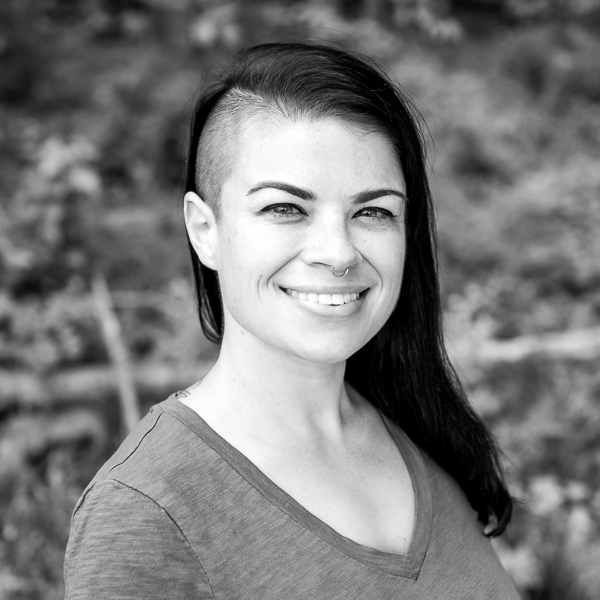
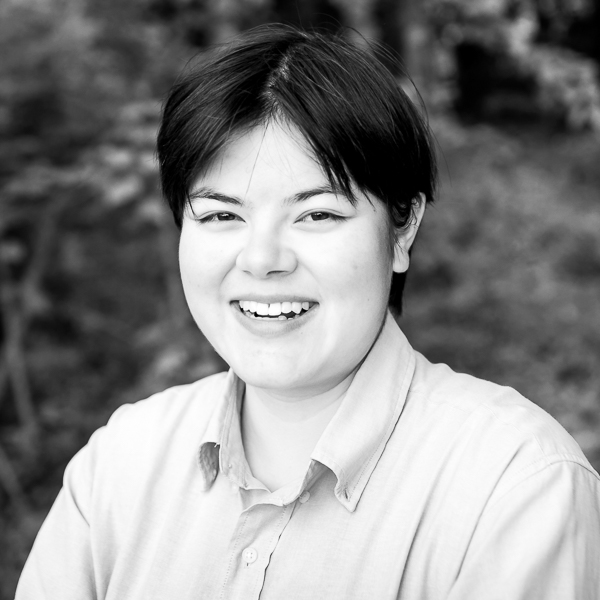
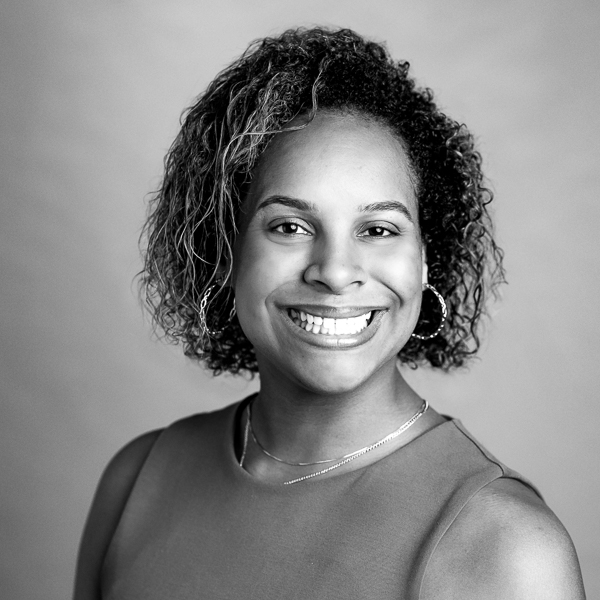
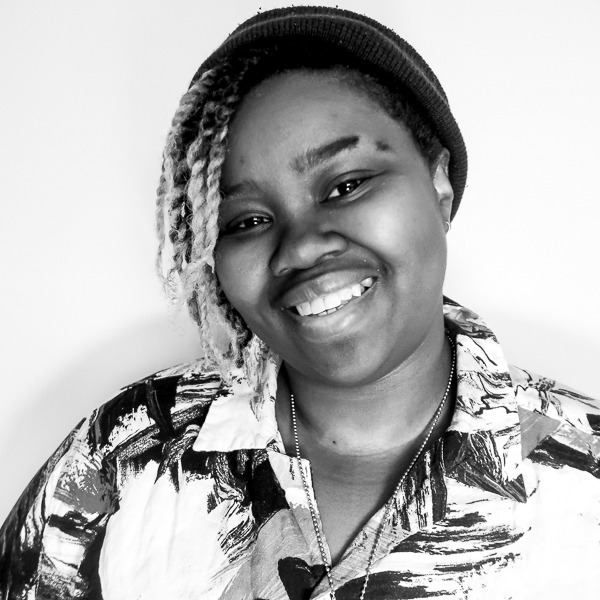
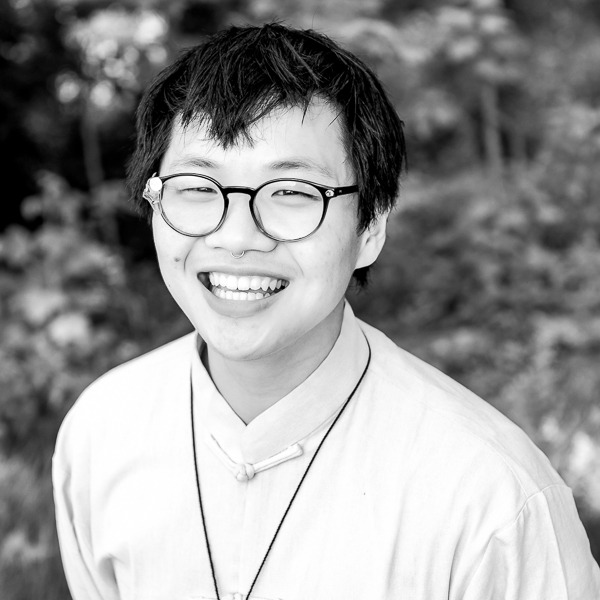
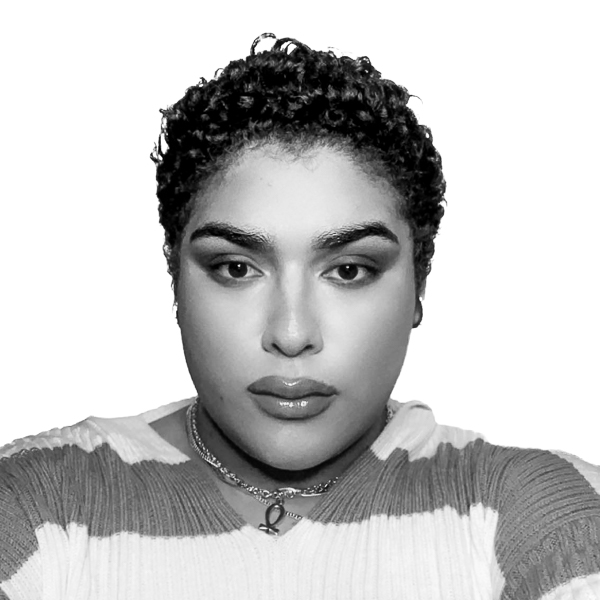
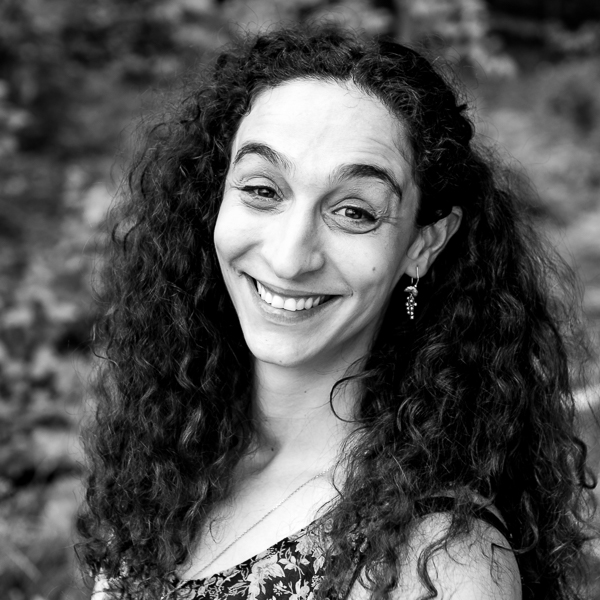
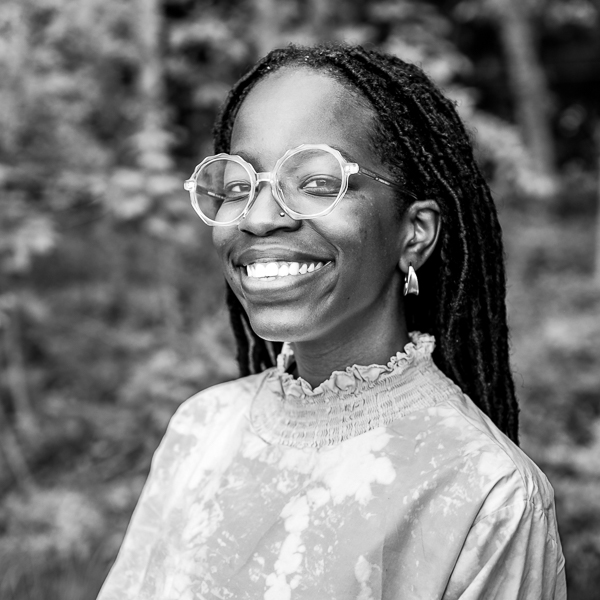
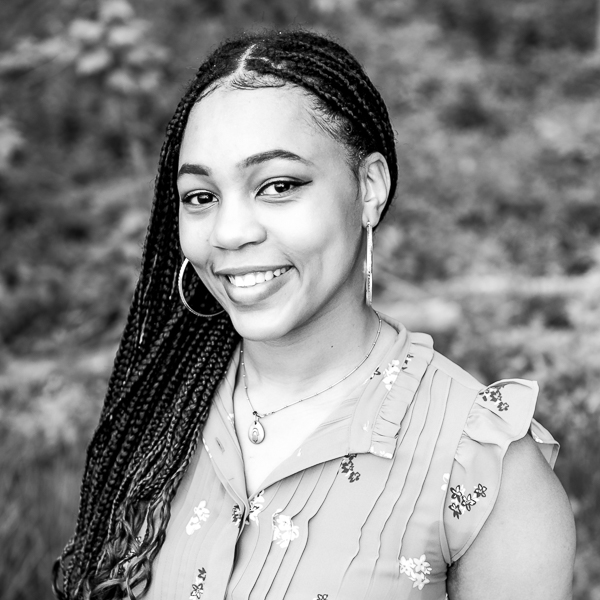
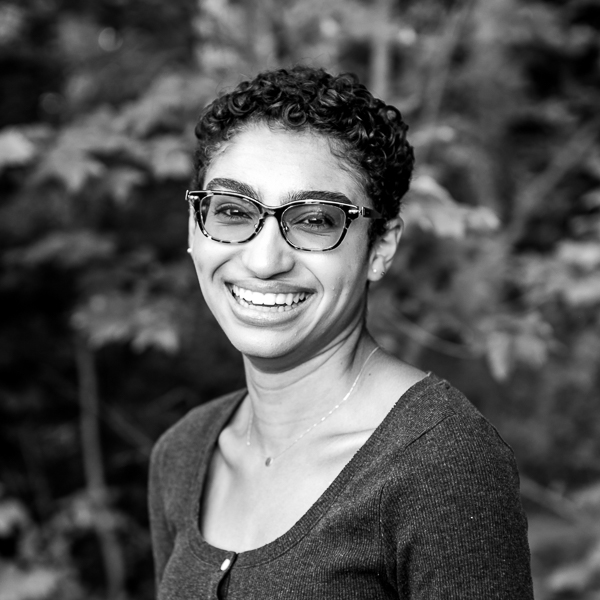
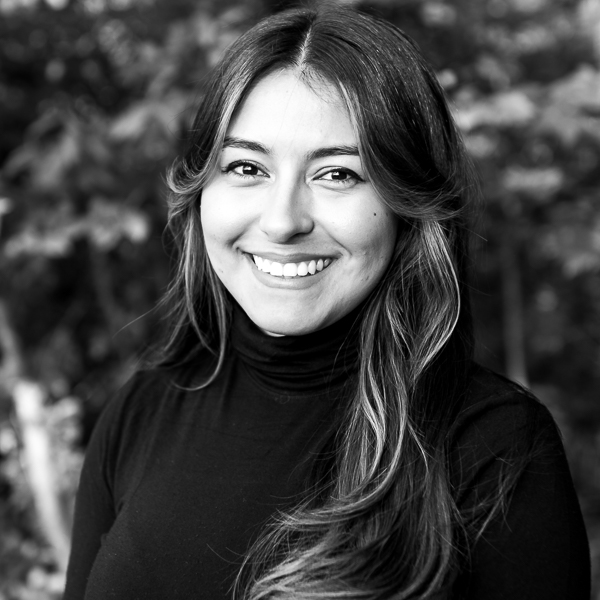
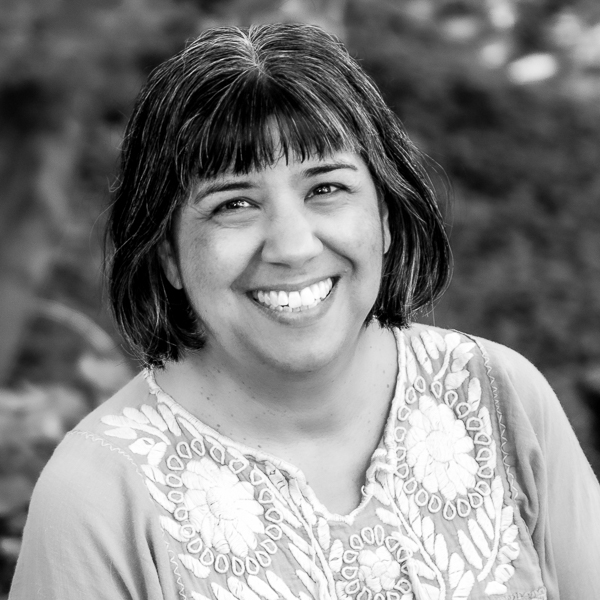
On June 22, over 150 people gathered to celebrate with the 14 Fellows at JOIN for Justice’s Siyyum (Graduation). The evening was an incredible gathering to support our graduating 2015 Jewish Organizing Fellows. Below are JOIN’s former Executive Director Karla Van Praag’s words of welcome at the Siyyum.

When I was 22, after becoming the first in my family to graduate college, I moved to Washington, DC. Years of sociology class and a fair bit of volunteer work had taught me how messed up the world was, and I was going to be part of the solution. I was offered a job with a service corps, where I was assigned as the team leader for the anti-hunger community service team. We would serve meals at soup kitchens, help people fill out food stamp applications, educate elementary school students about nutrition, and glean excess produce from the fields. I was excited to begin changing the world, alongside my peers who also wanted to do good work.
My team consisted of fifteen African American young adults aged 17-23 who were, unlike me, born and bred in DC. Everyone else, while working hard for the corps, was either raising young children, supporting other members of their family financially, meeting with parole officers, getting their GEDs, taking night courses at college, getting harassed by their landlords, or coming late to work when their bus never came to their neighborhood in Southeast, one of the poorest neighborhoods in DC. Meanwhile, once at work, the agency staff made obnoxious comments to me about how lazy “they” were, not always out of earshot.
It soon became painfully clear how the deck was stacked against my corps members. A history of slavery, and hundreds of years of racism, held a tight grip on my new friends’ lives. I realized though I had the degree, there was no clear way to fix these problems they were facing. No longer hopeful, now angry, I felt ill-equipped, out of place, and fully alone. I wasn’t sure what my role was as a white person with a different life experience, but didn’t want that to be an excuse to walk away, either – so I muddled along.
Now, multiply that confusion by all of today’s dedicated white people who seek to be allies but don’t know how. Not because anything new has happened, but because what has happened for generations happened again in Ferguson, Staten Island, Charleston and other places, and was finally more visible. This confusion particularly challenged American Jewish communities. Many of the American Jews who are white ached at the pain and injustice but weren’t sure how to get involved. Many American Jews of Color heard their fellow Jews grappling with how to relate to “other” communities and felt even more invisible.
When we see the horrors of police brutality and systemic racism on a daily basis, who do we turn to? What can we do?
I don’t have the answer for you. But I can suggest where to start.
As you’ll hear shortly in many of the stories, many of our fellows struggled with these same questions. Not surprisingly, being community organizers, many learned that their best hope was to lean into relationships, with leaders and members of non-Jewish communities as well as with each other.
Relationships can be scary. It comes with vulnerability, compromises, missteps, and unmet expectations. Choosing, in spite of that fear and confusion, to enter into relationships, since social change has never been achieved without it, requires – as the theme of tonight proclaims – boldly taking a step into the sea.
Jews have always known to draw upon each other and our collective wisdom when we’ve waded in, hoping the waters would part. Our traditions teach us to look at the stories of the past. They urge us to listen, to question, to challenge, to engage. Our own history as an oppressed people gives us insight what can happen. Our insider/outsider status has always given us a unique perspective in struggles for a just society. If we are part of a community larger than ourselves, we have a place to start. If we can relate to each other – white Jews and Jews of color alike – we can draw on our collective wisdom and relate well to non-Jewish communities and truly be allies in the struggle for justice.
Our Fellows rediscover this ancient and living community as a source of strength through the fellowship year. Young Jews come to our program out of frustration – about the injustices of the world, about the unsatisfactory efforts to address these problems, and often about the Jewish community itself. They see a gap in our world between what is and what should be. Where does their Jewish identity fit into their image of themselves as change agents? What skills and experiences can bridge the gap between their alienation and the ability to lead?
The Jewish Organizing Fellowship captures this familiar moment in generations of young people who are hungry to define their values and identity, and to confront the ills of our society. The Fellowship connects them to each other, to the Jewish community, and to experienced organizers wanting to invest in developing them. JOIN turns frustration, intention and raw talent into concrete skills and effective action. JOIN fills a niche where the interests of the Jewish community and our broader society meet.
These fellows carry the weight of our proud yet complicated history with race and privilege, the current insufficient action of a largely privileged Jewish community, all of it. They know that the Jewish community can do better and must do better, and they are angry about it, but they didn’t walk away, or freeze. This class, and those that came before them, stepped into the complexity and asked themselves how to organize to improve it.
Last Chanukah, responding to requests from African American leaders, hundreds of Jews marched on Brookline under the banner of “Jews Say Black Lives Matter.” That march was largely organized and led by our alumni and our fellows in partnership with Jews of color in our community. And our fellows have shown since then that that march was one moment in a long-term movement, not a one-shot to make a quickly forgotten statement, as you will hear in the stories they will share tonight. They organize not despite their Judaism, but because of it. And by taking responsibility to confront and challenge racism in this country, they will become the next generation of Jewish leaders.
Because of their training, their community, and their wisdom, I have more faith in these young people than I had in myself when I was 22, to know the right thing to do about all this. They have used this year to hold each other accountable, to stay committed to figure it out, to find the mentors to teach them, to determine who they need to be in relationship with and what risks they need to take. They are walking together until the sea parts. As they share their stories this evening, listen for the rushing sound of water. That will be the sea parting. When you hear that sound, let’s follow them through to the other side.



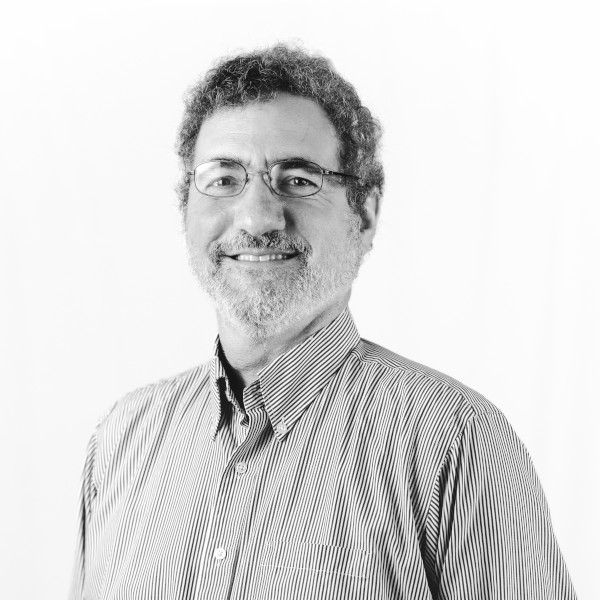 Meir Lakein (he/him)is a visionary community organizer with more than 30 years of experience mobilizing communities at the intersections of social justice and Jewish life. From 2011 to 2022, Meir was the Director of Organizing at JOIN for Justice, and during that time, he created JOIN for Justice’s Fellowship for Clergy. He has trained over one thousand rabbis to be organizers for change, and has provided hundreds of consultations to synagogues and Jewish organizations nationwide. Regarded as a mentor for a generation of young organizers and rabbis, Meir has shaped a new Jewish leadership model rooted in relationships, humility, and collective equity. Prior to coming to JOIN, Meir served as the lead organizer for the Jewish Community Relations Council of Greater Boston, organizing thousands of adults and teens in 14 synagogues to identify their common values and interests, develop a common story and mission, and take action to live their values and defend their interests — both in the community around public issues and within their own institutions. He also worked as the lead organizer of the Brockton Interfaith Community, a coalition of 25 churches and synagogues that won major victories in areas such as home ownership, prescription drugs, nursing home care and employment, and certification for immigrant nurses. Meir has experience building powerful organizations with homeless people in Connecticut and with Mizrachi, Russian, and Arab public housing tenants in Israel. His work and writing have been featured in myriad publications.
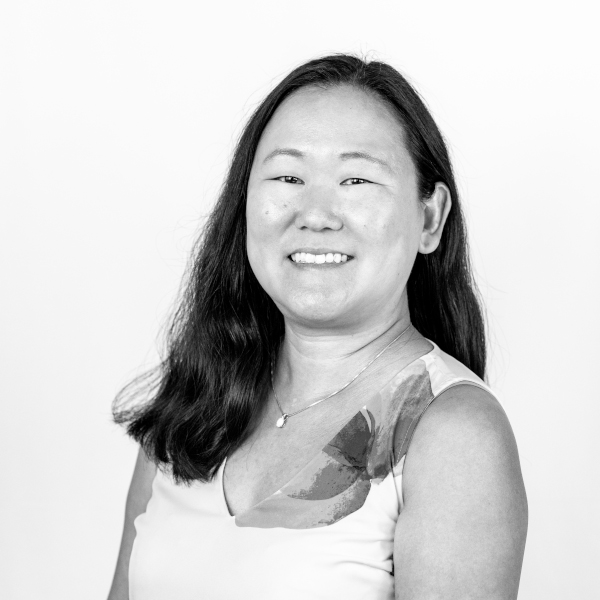
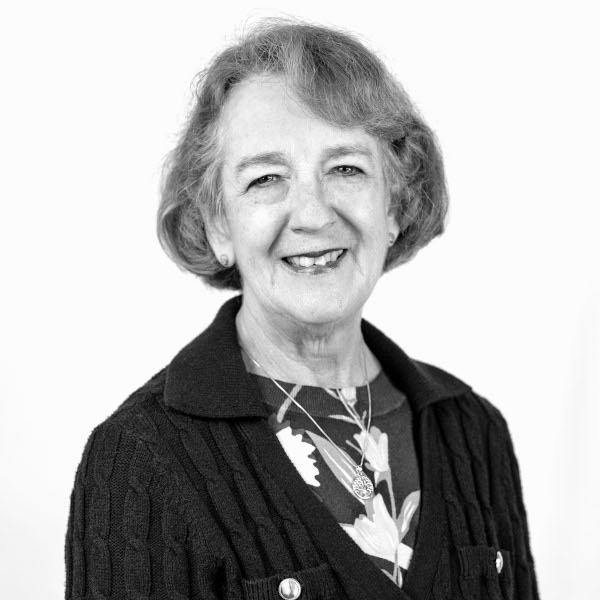 Jeannie Appleman has trained, organized, and coached more than 1200 clergy and lay leaders from multiple faith traditions and ethnicities for 35 years, first in multi-racial & interfaith coalitions, and then with synagogues, Federations, and Jewish organizers from 4 movements. Through her vision of training rabbinical students in organizing and leadership development, she co-founded the Seminary Leadership Project in 2005 with Meir Lakein and Rabbis Stephanie Kolin and Noah Farkas and has trained more than 1000 seminary students in organizing, congregational development, and leadership. In addition to the Seminary Leadership Project, she also coordinates JOIN’s national SEA Change Initiative, which has trained and coached synagogue leaders from 6 cohorts in 3 cities, and moved them into multi-racial, interfaith coalitions, shoulder to shouder, working for change with other communities.
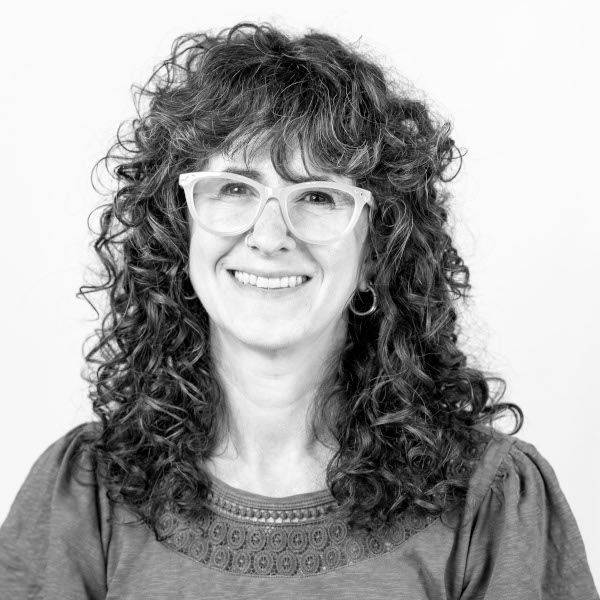 Catherine is a veteran nonprofit leader, ICF Professional Certified Coach, and facilitator who has spent the last two decades supporting people to unleash their power as change-makers.
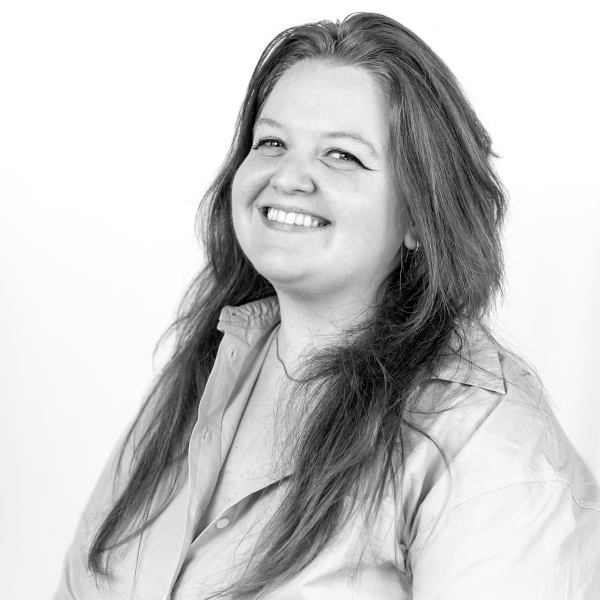 Ali is an administrator, events coordinator, and creative professional with over ten years of experience working in non-profits, higher education, and the performing arts. Skilled in managing complex projects, Ali has successfully led initiatives that align with organizational goals, promote community engagement, and elevate the overall attendee experience through inventive programming. Ali's passion for social justice significantly influences their project and event management approach. They excel in bringing creative visions to life, ensuring seamless operations, and curating exceptional digital and live event experiences, including webinars, conferences, lectures, galas, and live performances. Ali enjoys painting, volunteering, and creative writing in their spare time. Ali holds a BA in Theatre from Penn State University and an MA in Theatre from Villanova University. They live in Philadelphia with their wife, Emily, and three cats.
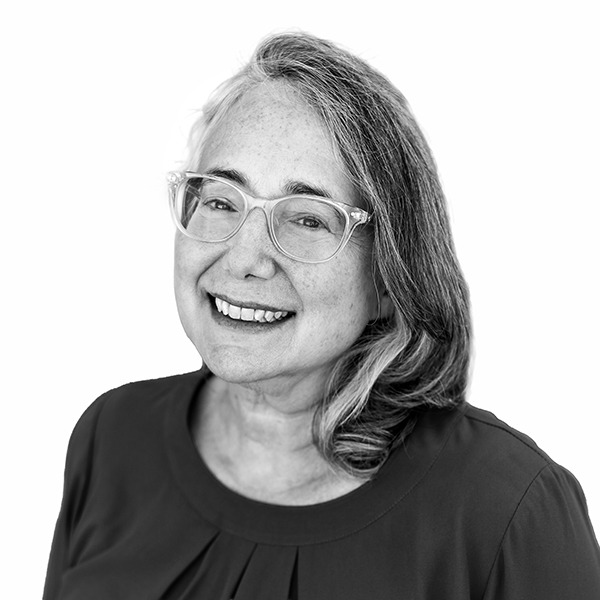 Lisa brings over 25 years’ of experience specializing in nonprofits in the Boston area. She has extensive experience with financial leadership and building effective systems for organizational success. She is a Certified Management Accountant (CMA) and her finance specialties include restricted income management and multi-year planning.
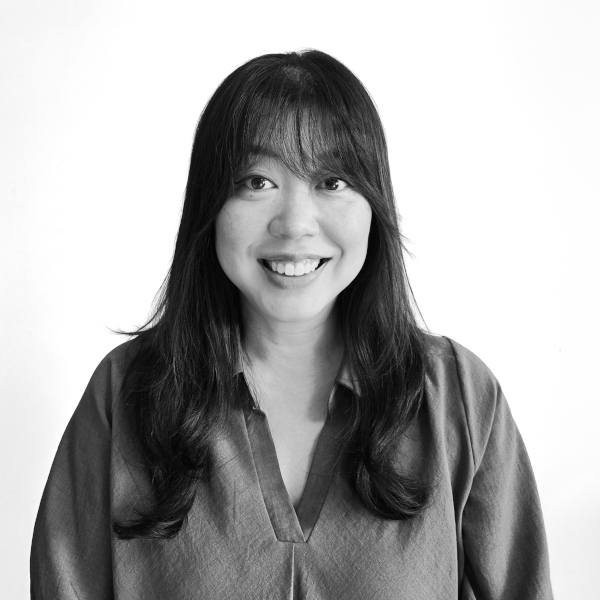 Hara Jun (she/her/hers) brings nearly 20 years of administrative experience from diverse sectors, including academia, non-profit organizations, and healthcare. She has a strong background in operations management, office administration, and financial oversight. Most recently, she has utilized her coordination and data management skills as the Interlibrary Loan Specialist at the Klau Library in Cincinnati, Ohio. Hara also has a rich academic background, with an M.Div. in Bible from Alliance Theological Seminary and an M.Phil. in biblical and ancient Near Eastern studies from Hebrew Union College-Jewish Institute of Religion. With these degrees, she has taught at HUC-JIR, the University of Dayton, and Methodist Theological Seminary in Ohio as an adjunct professor from 2020-2024.
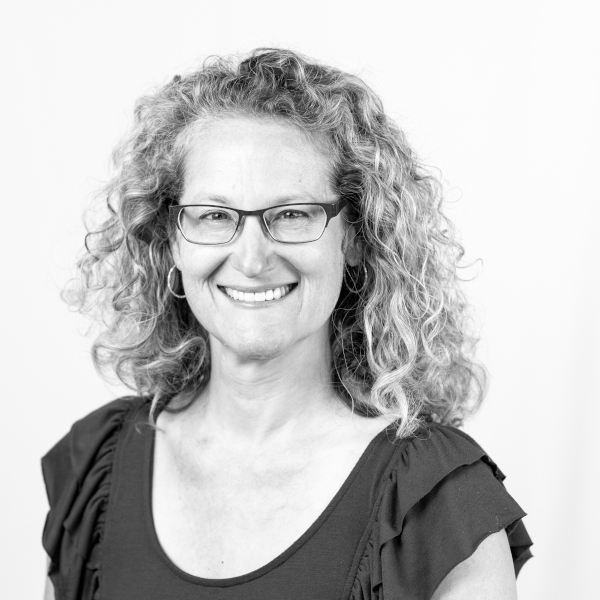
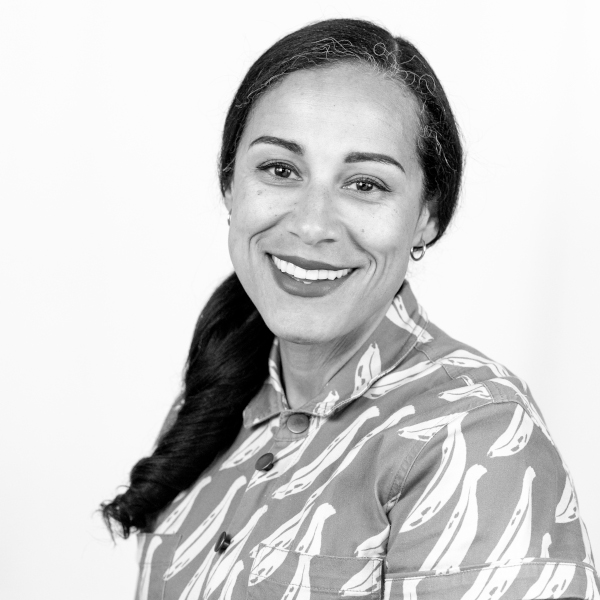 Kathleen (Kat) Tedford (she/her/hers) is a storyteller, community builder, and advancement leader with over 15 years of experience mobilizing resources across domestic and global social impact landscapes. Most recently, she has driven advancement and operations for large-scale, multi-donor portfolios, and led strategic consulting initiatives that built authentic partnerships across racial and institutional divides to advance health equity. Previously, Kat worked extensively in global health, democratic governance, and civil society. Serving in leadership roles at organizations like RTI International, UNC Carolina Population Center, and Johns Hopkins, she successfully and collaboratively resourced initiatives that empowered local leaders and advanced community-level change across Africa, Asia, and the Caribbean. Kat’s success in this work can be measured by the deep, intentional collaboration she’s led or contributed to, which has resulted in improved outcomes with the community stakeholders closest to the issues requiring change.
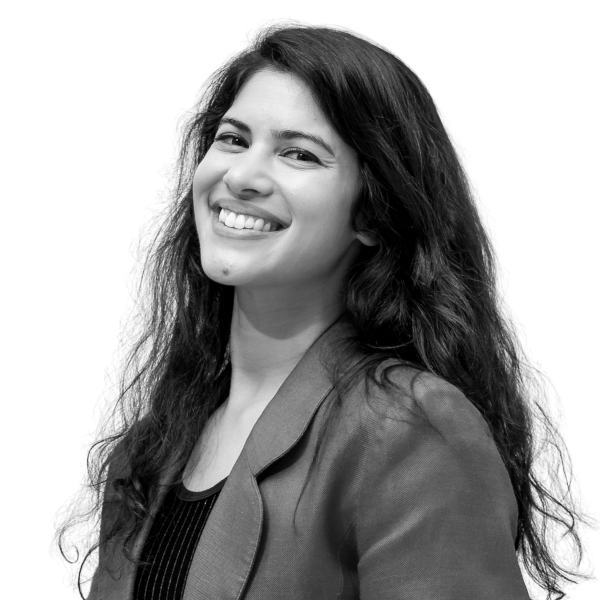 Jan graduated from Virginia Commonwealth University School of the Arts with a double major in Photography and Art Education. She is a seasoned educator with ten years of teaching experience, working in diverse settings locally and abroad. She has led international cultural exploration trips with experiential education companies for high schoolers in Southeast Asia. Jan is dedicated to promoting creativity, empathy, and cross-cultural understanding.
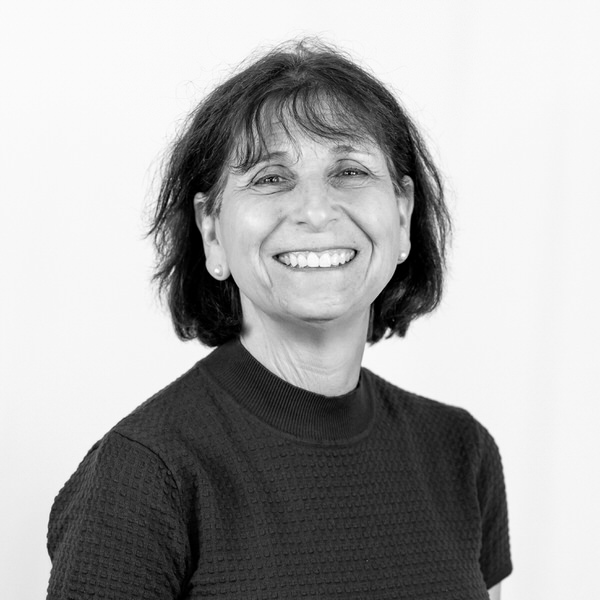
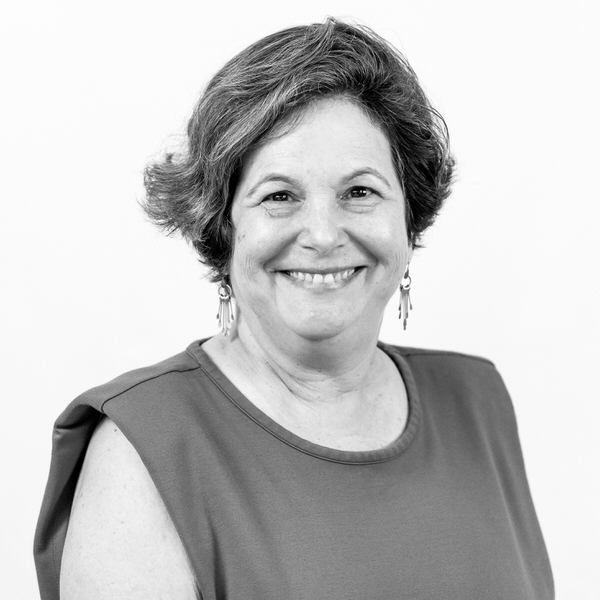
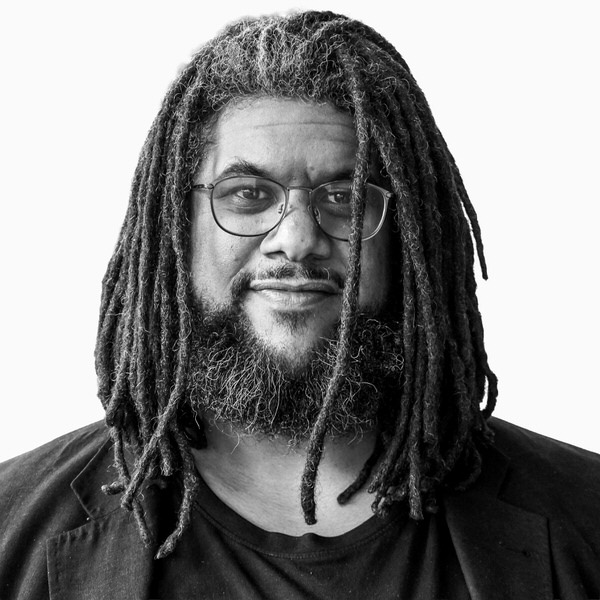
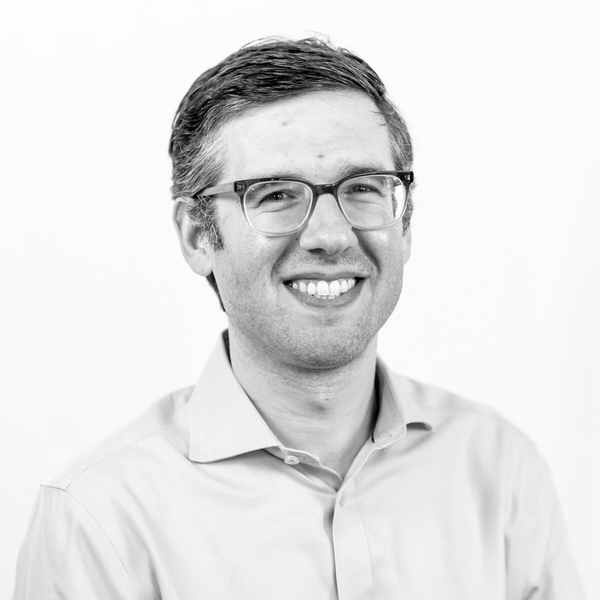
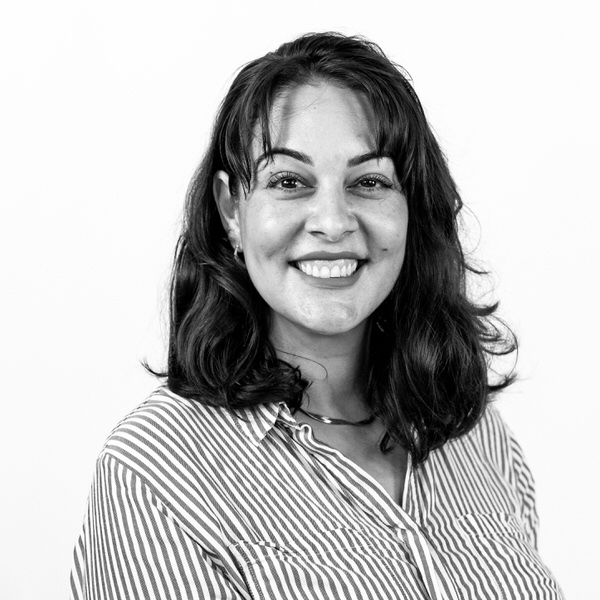 Leili (she/her) has 11 years of experience in grassroots organizing, facilitation, and leadership development. Her experience began in Los Angeles, where she started her career organizing local and state-level campaigns in support of domestic workers’ labor rights and school funding reform campaigns. As a Bend the Arc organizer, Leili led campaigns in support of reforming solitary confinement and cash bail at the California state level. During her final years at Bend the Arc, she was the Selah Program Director where she led two cohorts dedicated to Jewish People of Color. Since March 2022, Leili has been the Director of Racial Equity and Inclusion for the Jewish Social Justice Roundtable supporting the Jewish social justice field and its journey towards honoring race equity and inclusion. She holds a BA in Political Science from New Mexico State University and an MA in Middle Eastern Studies from the University of Texas at Austin. Leili is proud to have lineage from Mexico and Iran, which includes cooking her family recipes, including Khoresh Bademjan and enchiladas. She lives in Dallas, TX, with her husband.Leili (she/her) has 11 years of experience in grassroots organizing, facilitation, and leadership development. Her experience began in Los Angeles, where she started her career organizing local and state-level campaigns in support of domestic workers’ labor rights and school funding reform campaigns. As a Bend the Arc organizer, Leili led campaigns in support of reforming solitary confinement and cash bail at the California state level. During her final years at Bend the Arc, she was the Selah Program Director where she led two cohorts dedicated to Jewish People of Color. Since March 2022, Leili has been the Director of Racial Equity and Inclusion for the Jewish Social Justice Roundtable supporting the Jewish social justice field and its journey towards honoring race equity and inclusion. She holds a BA in Political Science from New Mexico State University and an MA in Middle Eastern Studies from the University of Texas at Austin. Leili is proud to have lineage from Mexico and Iran, which includes cooking her family recipes, including Khoresh Bademjan and enchiladas. She lives in Dallas, TX, with her husband.